Ukraine Robot Offensive Highlights Defense Tech Risk
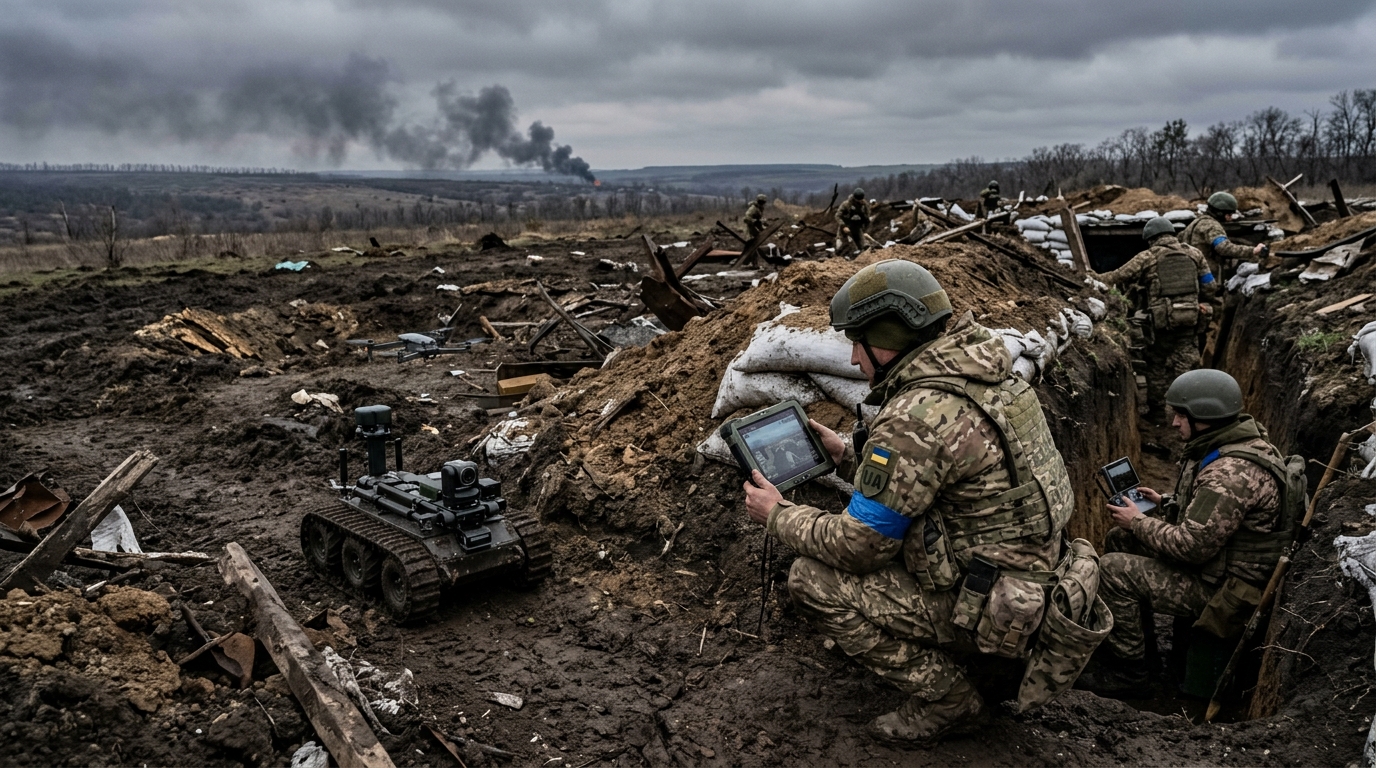
Ukraine’s reported use of robotic systems in a surprise offensive is putting a fresh spotlight on how battlefield automation could reshape geopolitical risk, defense procurement and, indirectly, commodity markets.
According to a CNBC report, the operation exposed what it described as a vulnerability in Russian President Vladimir Putin’s war machine. While the headline alone does not provide operational details, the broader market relevance is clear: any sign that the balance of capability is shifting in the Russia-Ukraine war can quickly feed through to risk sentiment, energy pricing and defense-industry supply chains.
Why markets may care about battlefield robotics
For investors and policy watchers, the significance is not limited to the military dimension. The war in Ukraine has repeatedly shown that changes on the battlefield can alter expectations for sanctions, infrastructure security, shipping routes and energy flows. A visible increase in the use of robots and unmanned systems may also reinforce expectations that military modernization will stay high on the agenda across Europe and NATO.
That matters for industrial demand. Defense production depends on electronics, sensors, batteries, communications equipment and specialized metals. If governments interpret Ukraine’s latest move as evidence that autonomous or semi-autonomous systems are becoming more central to modern conflict, procurement priorities could continue shifting toward those segments.
Energy and commodity channels remain important
The war’s biggest market effects have often emerged through commodities, especially oil, natural gas and agricultural exports. A new tactical development does not automatically change those flows, but it can affect how traders assess escalation risk.
If markets see a greater chance of disruption to Russian infrastructure, transport networks or export logistics, that could support a geopolitical risk premium in energy. Even without immediate physical disruption, conflict developments can influence volatility in crude, refined products and European gas-linked assets.
A second channel is the supply chain for defense inputs. Robotics-intensive military systems rely on semiconductors, optics, software integration and power systems. Any broadening in procurement demand could deepen interest in how Western suppliers are positioned to meet rising orders, though the headline itself does not identify specific companies or contracts.
Europe’s policy response could matter as much as the battlefield
Another market implication is political. European governments have already been under pressure to rebuild defense inventories and increase military spending. A high-profile use of robotics by Ukraine could strengthen the case for faster procurement reform, expanded domestic manufacturing and closer coordination between public budgets and private-sector production capacity.
That does not mean an immediate repricing across all defense or industrial names. But it does support a broader theme already visible in markets: geopolitical fragmentation is encouraging governments to spend more on resilience, deterrence and strategic technologies.
For commodity markets, that resilience agenda can have mixed effects. More defense and infrastructure spending may lift demand for metals and manufactured inputs over time, while recurring conflict headlines can sustain a risk premium in energy. At the same time, any sign of changing momentum in the war can trigger sharp swings in expectations for sanctions and trade access.
What can and cannot be concluded now
Based on the available headline, it would be premature to claim that the offensive marks a decisive strategic turning point. CNBC’s report supports a narrower conclusion: Ukraine’s use of robotic systems has highlighted a vulnerability and revived focus on the role of automation in war.
That alone is enough to keep markets attentive. Since 2022, seemingly tactical developments in the conflict have often had wider consequences for pricing risk across energy, industrial production and European policy.
Key market angles to watch
- Energy risk premium: whether the development changes expectations for disruption to Russian supply routes or infrastructure.
- Defense supply chains: whether demand expectations rise for robotics-related components, sensors and communications systems.
- European spending: whether governments use the moment to justify faster procurement and larger defense budgets.
- Volatility spillover: whether geopolitical headlines feed back into broader risk sentiment across commodities and industrials.
Neutral outlook: The immediate market effect may depend less on the specific operation than on whether it signals a durable shift in battlefield tactics and prompts new policy or procurement responses in Europe and beyond.
MarketPro reports are AI-assisted analyses of publicly reported market news. Not investment advice.