FinCEN Pullback Marks New Turn in U.S. Crypto Policy
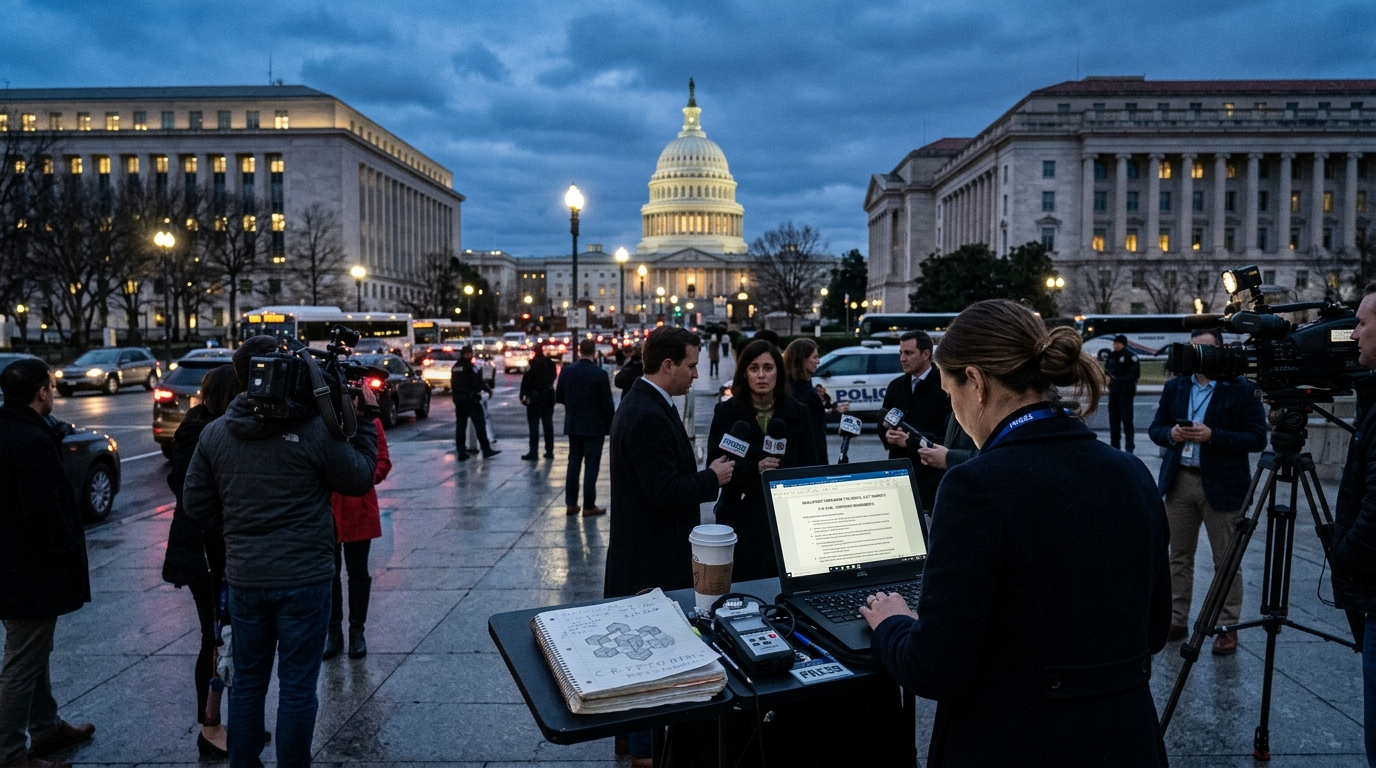
U.S. crypto regulation took a fresh turn after FinCEN withdrew a proposed rule tied to crypto mixing, a move that suggests Washington’s digital-asset debate is shifting from blanket restrictions toward a more contested, case-by-case approach.
According to a Cointelegraph report, FinCEN pulled back the proposal over concerns that the rule could affect legitimate activity. On its own, that is a narrowly targeted regulatory development. But taken alongside other same-day digital-asset headlines, it points to a broader policy rebalancing now underway in the U.S.
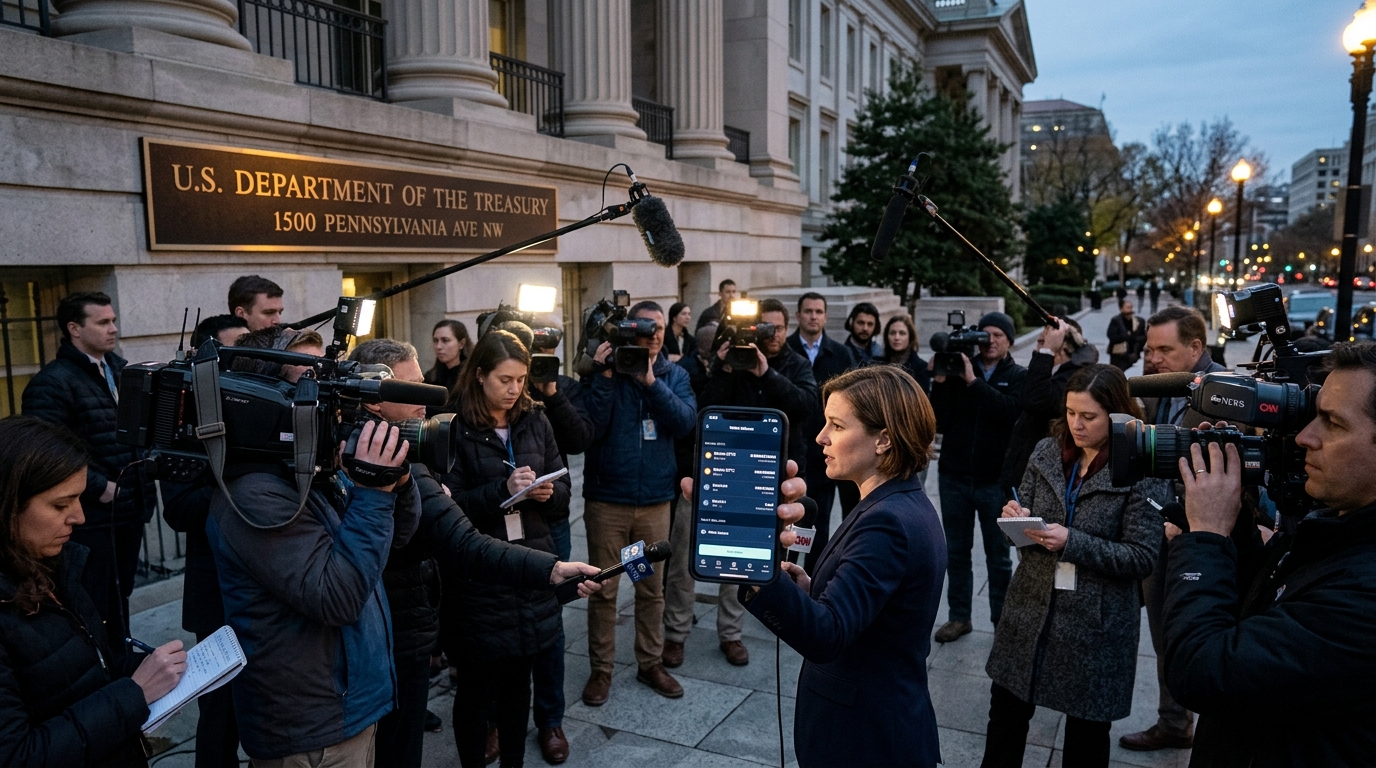
That broader context matters for markets. Cointelegraph also reported that Modern Treasury is seeking a U.S. trust bank charter for digital-asset custody, while an advocacy group is pushing back against banks’ lawsuit against the Office of the Comptroller of the Currency over charters. In a separate report, Cointelegraph said the CFTC joined the SEC in proposing a crypto framework after a failed CLARITY vote.
These developments do not tell a single, simple story of deregulation. Instead, they suggest that the U.S. regulatory system is becoming more layered. One proposal is being withdrawn, charter battles are continuing, and multiple agencies are still seeking to define how crypto should fit inside the existing financial structure.
Why markets may care
For crypto markets, the significance of a FinCEN retreat is less about short-term token prices and more about compliance risk. Businesses involved in custody, payments and transaction monitoring tend to react strongly when U.S. authorities signal whether certain tools or transaction types might face broader restrictions.
If regulators step back from rules seen as overly expansive, that can reduce one source of uncertainty for firms trying to build products around digital assets. At the same time, the flurry of charter and framework discussions shows that oversight is not disappearing. It is being redistributed across agencies and legal channels.
That distinction matters for institutional capital. Market participants generally prefer a system in which rules are defined, even if they are strict, rather than one in which enforcement and policy expectations remain unclear. The push by Modern Treasury for a trust bank charter, as reported by Cointelegraph, underlines that some firms still see value in operating inside formal U.S. banking and custody structures.
A policy reset, not a free pass
The withdrawal of the proposed mixing rule should not be read as a clean victory for the crypto sector. U.S. agencies are still actively shaping a framework for digital assets, and the legal friction around charters shows that traditional banking interests and crypto advocates remain far apart on how open the system should be.
There is also a practical distinction between easing one proposed rule and creating a durable framework for the sector. The Cointelegraph reports indicate that U.S. policymakers are still debating who should supervise what, and under which statutory authority. That means compliance questions for exchanges, custodians and payments firms are far from settled.
For global investors, the U.S. posture remains important because American regulatory standards often influence how other jurisdictions think about custody, anti-money-laundering controls and cross-border digital finance. When the U.S. adjusts course, the effect can extend beyond domestic crypto platforms.
Key takeaways from today’s headlines
- FinCEN withdrew a proposed crypto mixing rule, according to Cointelegraph.
- Modern Treasury is seeking a U.S. trust bank charter for digital-asset custody, also according to Cointelegraph.
- Charter disputes are continuing as advocacy groups and banks clash over the OCC’s approach, per Cointelegraph.
- The SEC and CFTC are still involved in shaping a broader crypto framework, according to Cointelegraph.
Viewed together, these headlines suggest the U.S. is not abandoning crypto oversight, but it may be entering a more pragmatic and institution-focused phase. The neutral outlook is that regulatory uncertainty has shifted form rather than disappeared, and markets will likely keep watching for signs of which agencies gain the strongest voice next.
MarketPro reports are AI-assisted analyses of publicly reported market news. Not investment advice.