Crypto Payments in China Grow Despite Ban, Data Shows
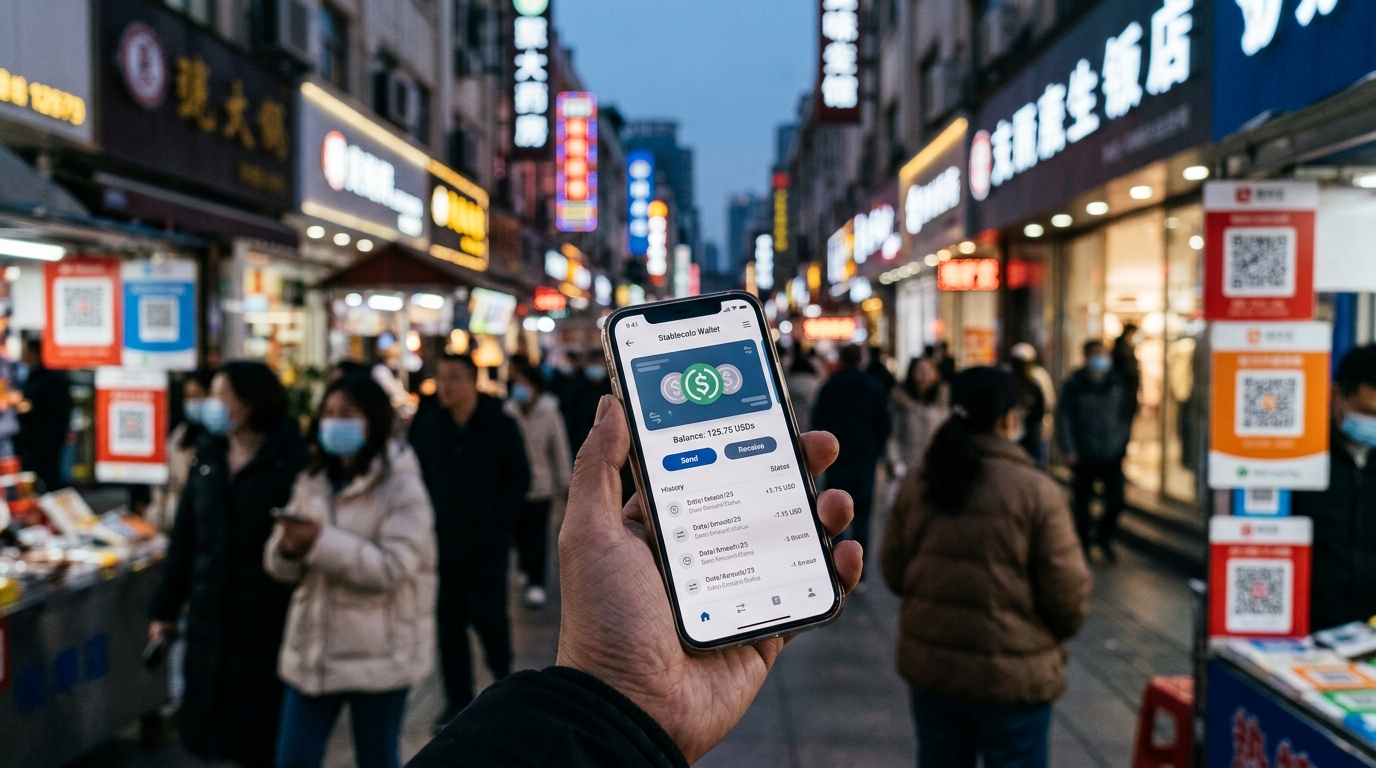
Stablecoin wallet activity linked to China has surged despite the country’s long-standing restrictions on cryptocurrency trading, according to Cointelegraph, citing Chainalysis data. That headline matters beyond the crypto sector because it points to persistent demand for dollar-linked digital payment rails even in one of the world’s most tightly controlled financial environments.
Cointelegraph reported that China peer-to-peer stablecoin wallets grew 43-fold despite crypto restrictions, attributing the data to blockchain analytics firm Chainalysis. If sustained, that kind of growth would suggest that informal digital-dollar channels are expanding in parallel with the formal financial system rather than disappearing under regulatory pressure.
Why stablecoin growth in China matters
China is central to any conversation about global payments, capital controls and digital finance. A sharp increase in peer-to-peer stablecoin wallet use may indicate that users and businesses still see value in blockchain-based settlement for cross-border transfers, savings or payment flexibility, even when direct crypto activity faces significant constraints.
Unlike more speculative crypto stories, stablecoin adoption can have broader market implications because these tokens are often used as transaction tools rather than purely risk assets. In practical terms, rising stablecoin wallet use can signal demand for faster settlement, access to dollar-denominated liquidity or alternatives to traditional banking channels.
According to Cointelegraph’s report on the Chainalysis figures, the scale of growth is notable precisely because it is happening under restrictive policy conditions. That does not necessarily mean formal regulation is weakening. It may instead show that user behavior is adapting around constraints, especially where cross-border commerce or peer-to-peer transfers are involved.
A broader signal for digital dollar demand
The story also fits a wider pattern in global finance: stablecoins increasingly sit at the intersection of payments, foreign exchange and regulation. In markets where residents or businesses want smoother access to dollar-linked liquidity, stablecoins can function as a workaround for frictions in banking or capital movement.
That matters for global investors because stablecoin use is no longer only a crypto-market indicator. It can also reflect pressure points in payment systems, appetite for dollar exposure and the limits of domestic financial restrictions in a digital environment.
China’s case is especially closely watched because policymakers have maintained a restrictive stance on decentralized crypto activity while promoting official digital-finance channels in other areas. Any evidence that peer-to-peer stablecoin networks are still expanding may therefore sharpen debate over enforcement, financial surveillance and the future shape of cross-border digital payments.
Regulation versus real-world usage
One reason this development stands out is the gap it suggests between formal rules and actual usage. Restrictions can curb open trading and institutional participation, but peer-to-peer activity may prove harder to eliminate completely when demand remains strong.
That does not automatically imply systemic change. Wallet growth alone does not reveal the full economic scale of transactions, the identity of users or how much of the activity is tied to trade, remittances, savings or speculation. Still, according to Cointelegraph’s report referencing Chainalysis, the direction of travel is clear enough to attract market attention.
For regulators globally, the China example may reinforce a larger lesson: digital-dollar instruments can continue to spread where they meet a functional economic need, even when legal conditions are restrictive. For the crypto industry, it is another sign that stablecoins remain one of the sector’s most consequential links to the real economy.
Why this stands out today
Compared with price-focused crypto headlines, this story has wider relevance because it touches payments infrastructure and financial behavior. It also aligns with reader interest in crypto stories that connect to broader macro themes rather than token-by-token speculation.
At a time when global markets are also watching currencies, yields and political risk, stablecoin growth in China offers a different but related signal: demand for flexible, border-light dollar access remains a live force in the world economy.
Key points
- Source: Cointelegraph reported, citing Chainalysis, that China P2P stablecoin wallets grew 43x despite restrictions.
- Main takeaway: Digital-dollar demand may persist even under tight crypto regulation.
- Market relevance: Stablecoins increasingly matter for payments, FX access and cross-border settlement.
- Main caveat: Wallet growth does not by itself show the full size or purpose of underlying transactions.
Neutral outlook: The next question for markets is whether rising stablecoin usage remains a niche workaround or becomes a more visible factor in cross-border payment flows and regulatory policy discussions.
MarketPro reports are AI-assisted analyses of publicly reported market news. Not investment advice.