Tanker Strikes Put Strait of Hormuz Back in Oil Focus
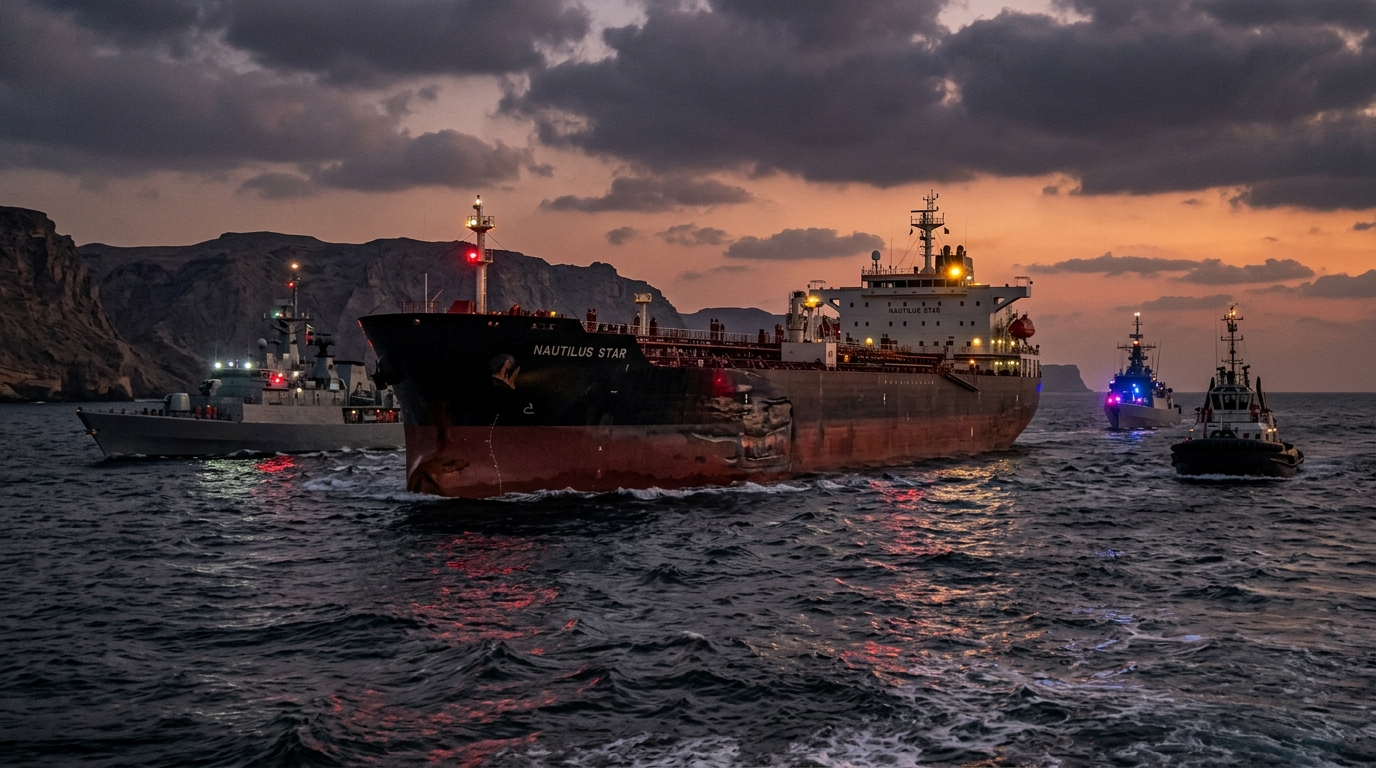
Fresh attacks on tankers in the Middle East are refocusing investors on one of the world’s most important energy chokepoints: the Strait of Hormuz. According to CNBC reports, more tankers were struck in the region as Iran reiterated conditions for reopening the strait, bringing shipping security and crude supply risks back into view for commodity markets.
The development matters because the Strait of Hormuz remains critical to global oil flows. Any disruption there can quickly alter freight costs, insurance pricing and expectations for crude availability, even before any actual loss of supply is fully visible in export data.
Why markets watch Hormuz so closely
The strait is one of the narrowest and most strategically significant maritime passages for global energy trade. When attacks on commercial shipping rise, the market impact often extends beyond the damaged vessels themselves.
Traders typically focus on several transmission channels:
- Physical supply risk: concern that cargoes could be delayed, rerouted or interrupted.
- Shipping costs: higher freight and insurance expenses can raise the delivered cost of crude and refined products.
- Risk premium: oil prices can reflect geopolitical uncertainty even without an immediate change in production.
- Regional spillover: tensions can affect sentiment across gas, refining and petrochemicals markets.
CNBC said Iran reiterated conditions tied to reopening the Strait of Hormuz, a signal that access to the waterway remains part of a broader geopolitical negotiation rather than only a shipping-security issue.
What the latest strikes change
For markets, repeated incidents can matter more than a single isolated event. A pattern of attacks may prompt shipowners, charterers and insurers to reassess exposure to the route. That does not necessarily mean exports stop, but it can make each cargo more expensive and operationally complex.
This is especially relevant at a time when global markets are already sensitive to supply disruptions. A shipping shock in the Gulf can feed into broader inflation concerns by lifting energy input costs and complicating logistics for importers in Asia and Europe.
Investing.com also highlighted escalating regional security developments, reporting that Yemen’s leader announced major military operations against Iran-backed Houthis. While that is a separate headline from the tanker strikes, it underscores the same broader point for investors: Middle East conflict risk is widening rather than easing.
What oil traders will likely monitor next
Investors will now be watching for confirmation on several fronts:
- Whether additional tankers are affected in the coming days.
- Any formal change in shipping guidance from maritime authorities or large carriers.
- Signs of export disruption from key Gulf producers.
- Changes in insurance and freight pricing that could indicate mounting operational stress.
So far, the headline risk appears to be centered on security and transit conditions rather than a confirmed broad-based halt in regional oil flows. That distinction is important. Markets often react first to uncertainty, then recalibrate once clearer evidence on volumes and duration emerges.
Why this matters beyond crude
The implications extend beyond oil benchmarks. Higher energy transport risk can influence inflation expectations, sovereign bond sentiment and currencies tied to energy imports and exports. Import-dependent economies may be more exposed if elevated shipping costs persist, while energy exporters can see improved price support if supply concerns intensify.
The current backdrop also fits an editorial pattern readers have responded to: geopolitical supply-risk stories with direct links to market pricing. In this case, the focus is not only on conflict headlines, but on how a strategic chokepoint can affect commodities, shipping economics and broader macro sentiment.
According to CNBC, the immediate trigger is the latest tanker strikes and Iran’s latest comments on reopening conditions for the strait. According to Investing.com, wider regional military developments are adding to the sense of instability around key transit routes.
Neutral outlook: The next market move will likely depend less on rhetoric alone and more on whether vessel traffic, insurance conditions or actual export volumes show measurable deterioration.
MarketPro reports are AI-assisted analyses of publicly reported market news. Not investment advice.