OPEC+ Seen Holding Oil Quotas Steady Amid Conflict
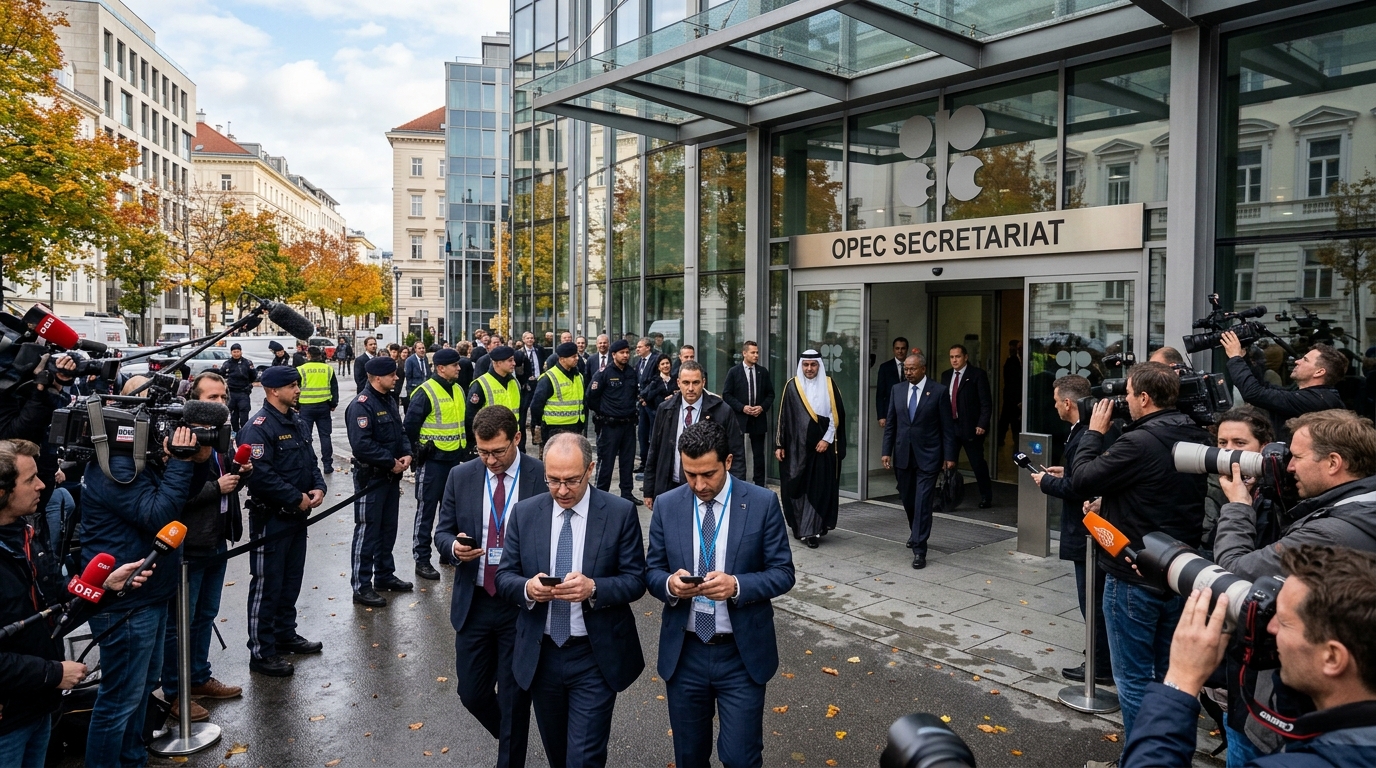
Oil markets are heading into another key OPEC+ decision point with the producer group expected to leave November output quotas unchanged, according to Investing.com in a report based on wire coverage. The headline matters because it combines two forces markets are watching closely: formal supply policy from major exporters and unplanned disruption tied to conflict in the Middle East.
For traders, refiners and policymakers, a steady-quota decision would signal that OPEC+ is not yet using its official production targets to offset geopolitical volatility. That does not mean supply conditions are stable. Rather, it suggests the group may prefer to watch the effect of conflict-related outages before changing policy.
Why a steady decision matters
If OPEC+ keeps quotas unchanged, the immediate market takeaway is that the group is separating headline conflict risk from its formal output framework. In practical terms, that can keep attention on actual barrels lost, shipping risk and regional infrastructure rather than on a fresh policy surprise from the cartel and its allies.
According to the Investing.com report, conflict in the Middle East is already affecting output. When physical supply is under pressure, markets often react more sharply to developments on the ground than to unchanged ministerial guidance. An unchanged quota can therefore still coexist with elevated price sensitivity.
This is especially relevant because energy markets have repeatedly had to price two different variables at once:
- Official supply policy from OPEC+ members and partners
- Operational disruption risk linked to war, attacks or transport bottlenecks
When those variables move in opposite directions, oil can remain volatile even without a formal production shift.
Geopolitics remains the core driver
The market significance of the story is less about a technical quota decision and more about the signal that geopolitical risk is still dominating the supply picture. A decision to hold output targets steady implies OPEC+ may see no immediate need to rewrite policy while uncertainty remains high.
That stance could be interpreted in multiple ways by the market. It may suggest confidence that current policy is sufficient, or caution about changing quotas before the real scale of disruption becomes clearer. Either way, it keeps the burden of price discovery on geopolitical headlines and physical market data.
Reader interest on MarketPro has remained strong for commodity stories tied to security risks and supply shocks. This development fits that pattern because it gives oil markets a concrete policy anchor while leaving open the broader question of whether conflict-driven losses grow, stabilize or ease.
What markets may watch next
With quotas expected to stay flat, the next phase of oil-market reaction is likely to focus on execution and enforcement rather than announcement value. Key points for market participants include:
- Whether conflict-related outages broaden beyond currently affected areas
- Export flow data from major producing states
- Shipping and insurance conditions for regional crude movements
- Any change in OPEC+ messaging if disruptions become prolonged
Even in the absence of a quota adjustment, oil can remain highly reactive if supply chains tighten. That is why a “no change” OPEC+ outcome should not be confused with a low-impact event.
Broader market read-through
Steady OPEC+ quotas can also matter beyond crude itself. Energy-sensitive currencies, inflation expectations and transport-linked sectors often respond quickly when geopolitical supply risk persists. While the current headline is centered on oil policy, its relevance extends into broader macro pricing through fuel costs and inflation transmission.
According to Investing.com, the expected outcome is a hold on November quotas. Until there is confirmation from the group and more clarity on conflict-related output losses, the central market theme remains the same: formal supply policy is stable, but physical risk is not.
Neutral outlook: If OPEC+ confirms unchanged quotas, markets are likely to keep focusing on real-time disruption data and regional security developments rather than on policy surprise.
MarketPro reports are AI-assisted analyses of publicly reported market news. Not investment advice.