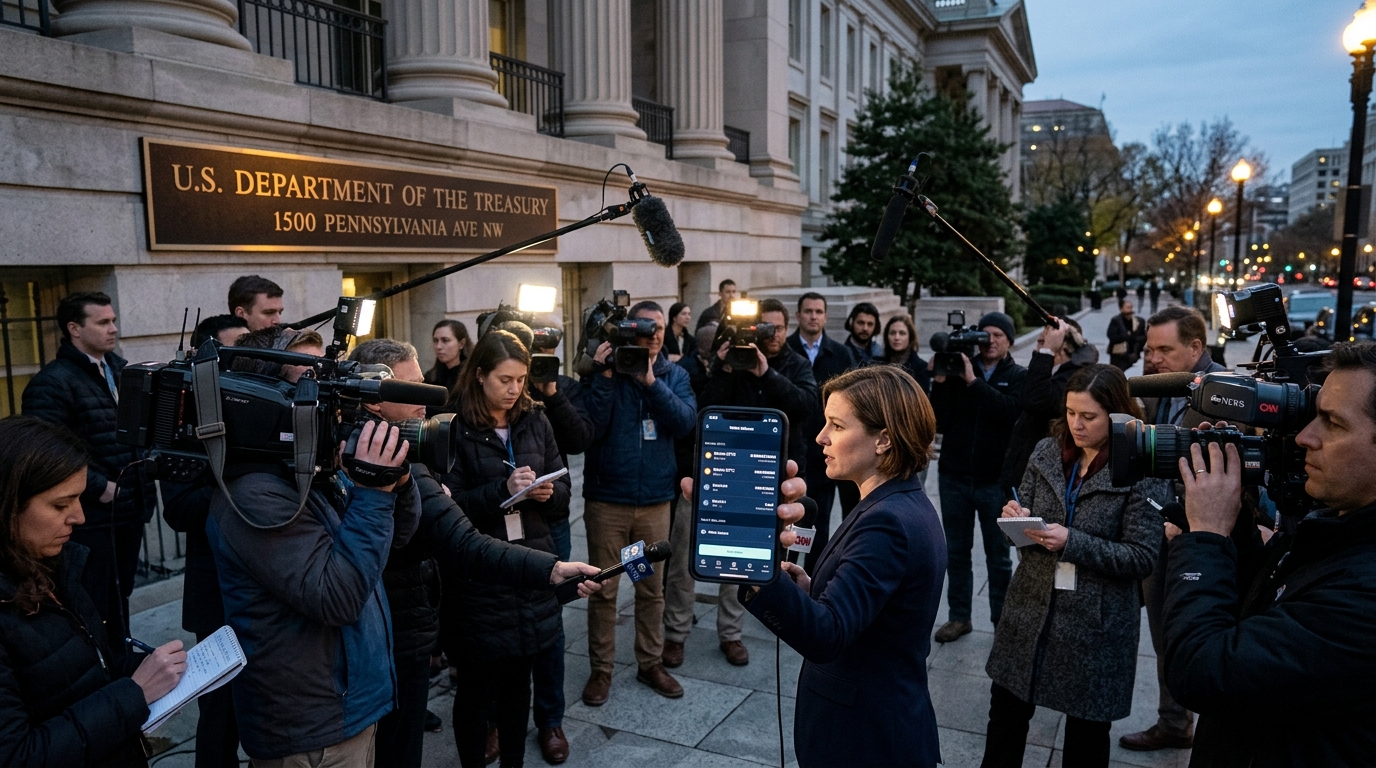
NEAR recovers stolen funds in rare crypto reversal

NEAR Intents has recovered the full amount of funds stolen in a recent exploit, marking an unusual outcome in the digital-asset sector where losses are often only partially recovered or never returned at all.
According to Cointelegraph, the protocol recovered the entire $3.8 million after issuing an ultimatum to the exploiter. That makes the case notable not only because of the recovery itself, but also because it points to the growing role of negotiation, onchain tracing and public pressure in crypto incident response.
Why this case stands out
Crypto markets are no stranger to hacks, bridge failures and smart-contract exploits. What is far less common is a full recovery of the affected funds. In many incidents, assets are quickly moved through multiple wallets, swapped across tokens or routed through services designed to complicate tracing efforts.
That is why the NEAR Intents development is significant. A full return suggests that the project’s response strategy had leverage, whether through technical tracking, reputational pressure, legal risk or a combination of factors. Cointelegraph described the return as following an ultimatum, which indicates the recovery did not happen automatically or quietly.
Even in an industry built around code and decentralization, exploit responses increasingly involve very human dynamics: deadlines, public messaging and attempts to force a decision from whoever controls the stolen assets.
A different crypto story than the usual rally coverage
This development also arrives at a time when much of the crypto news flow has centered on prices, regulation and layoffs. The NEAR incident shifts attention back to security infrastructure and operational resilience, two issues that matter deeply to institutional users and developers.
Recent headlines have highlighted legal and regulatory friction across the industry, including disputes involving banking access and chartering. Against that backdrop, a successful fund recovery offers a different lens on crypto risk: not whether attacks happen, but whether ecosystems can respond effectively when they do.
For market participants, that distinction matters. Security incidents affect confidence in protocols, counterparties and the broader investability of digital assets. A protocol that demonstrates an ability to coordinate a recovery may still face scrutiny, but it also shows that post-incident governance and operational response are becoming more sophisticated.
What the recovery says about crypto enforcement tools
Although the available headline details are limited, the case illustrates several mechanisms that are increasingly important in digital-asset enforcement:
- Onchain visibility: Blockchain transactions are traceable, which can limit an exploiter’s ability to move funds unnoticed.
- Time pressure: Public ultimatums can narrow the decision window for an attacker.
- Reputational and legal risk: As the sector becomes more connected to regulated firms, exploiters may face fewer easy exit paths.
- Governance coordination: Projects that react quickly can sometimes improve recovery odds.
Those factors do not guarantee successful outcomes, but they may increasingly shape how projects, users and institutional partners assess protocol risk.
Why markets may care
Fund recoveries do not usually drive the same immediate reaction as token-price spikes, but they can matter for the longer-term credibility of a blockchain ecosystem. Developers, market makers and users tend to pay close attention to how teams handle crises, especially when trust and capital are on the line.
According to Cointelegraph, the full amount was recovered, which is the central market takeaway. In an environment where security failures can trigger lasting damage, a complete reversal is rare enough to register as an industry signal.
It may also feed into a broader institutional narrative: that crypto risk is not disappearing, but that response frameworks are gradually maturing. For projects trying to attract more serious capital or business activity, that distinction can be important.
What to watch next
- Post-mortem details: Markets will look for technical explanations of the exploit and recovery process.
- Security upgrades: Any changes to smart contracts, monitoring or treasury protections will matter.
- User confidence: The pace of ecosystem activity after the incident may show whether trust holds.
- Legal follow-through: Further disclosures could clarify whether authorities or third parties were involved.
Neutral outlook: The full recovery is a constructive signal for incident response, but the longer-term impact will depend on what NEAR discloses next about the exploit and its security controls.
MarketPro reports are AI-assisted analyses of publicly reported market news. Not investment advice.