Japan Sanctions Move Adds New Pressure to Russia Crypto
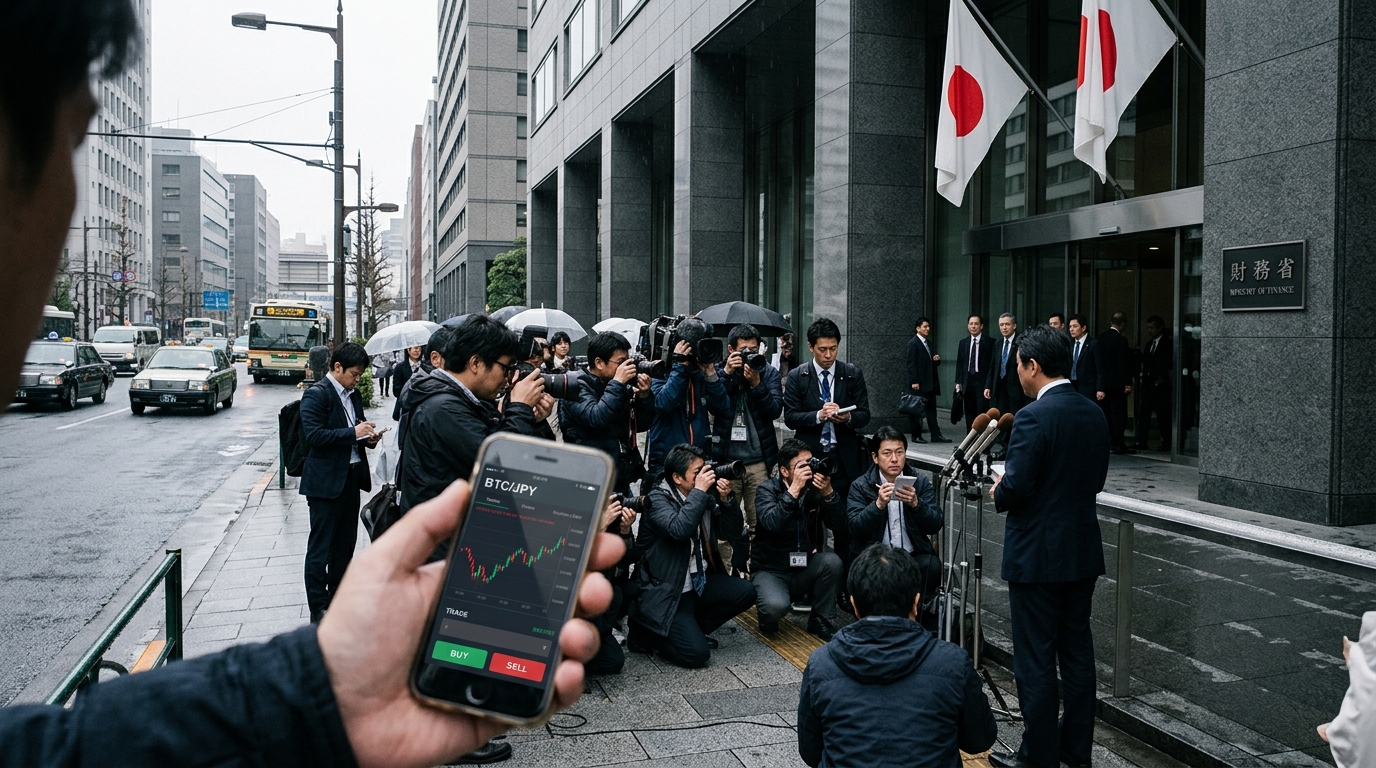
Japan’s reported decision to add Garantex to its Russia sanctions list marks a notable new step in the globalization of crypto-related enforcement tied to the Ukraine war. According to Cointelegraph, Japan added Garantex to a sanctions list connected to Russia, extending pressure on a crypto platform that has already drawn scrutiny in other jurisdictions.
For digital-asset markets, the significance is less about broad crypto price action and more about regulatory fragmentation, compliance risk and the direction of cross-border enforcement. The move suggests that sanctions policy around crypto infrastructure is becoming more international and potentially more coordinated.
Why this matters for the crypto market
Sanctions involving exchanges or trading venues can reshape market plumbing even when they do not immediately affect major token prices. The practical impact is often felt through compliance reviews, counterparty checks, banking relationships and custody decisions.
Investors and institutions typically watch these developments through three lenses:
- Compliance exposure: exchanges, custodians and payment providers may tighten screening of wallet activity and counterparties.
- Jurisdiction risk: firms serving multiple regions may face higher costs to maintain sanctions controls.
- Liquidity migration: users linked to restricted venues may attempt to shift activity elsewhere, prompting stricter surveillance.
Because Japan is a major regulated financial center, its actions can carry influence beyond domestic markets. A sanctions decision there may encourage other regulators and compliance teams to revisit crypto exposure connected to Russia-linked networks.
A broader pattern of tighter oversight
The headline also lands at a time when crypto markets are already dealing with stronger institutional scrutiny. Cointelegraph separately reported that Anchorage Digital, described as a crypto bank, cut 17% of its workforce, and also reported that European users have more confidence in regulated firms under MiCA, citing comments from Bitpanda’s co-chief executive. While those are distinct developments, together they point to the same structural theme: regulation and balance-sheet discipline are becoming more central to digital-asset businesses.
That does not mean all enforcement actions have the same market effect. A sanctions designation tied to Russia and the Ukraine war is more specifically a geopolitical and compliance event than a general policy shift on crypto adoption. Still, it reinforces the idea that digital-asset infrastructure is increasingly being treated as part of the formal financial-enforcement perimeter.
Why Garantex is a meaningful name
When authorities target a known venue rather than an abstract wallet cluster, the signal to the market is more concrete. It tells banks, brokers, blockchain analytics firms and custodians that they may need to revisit transaction monitoring or risk frameworks tied to that platform and related flows.
That can matter even to firms with no direct Japanese customer base. International financial groups often harmonize sanctions controls across regions to reduce legal and operational complexity. As a result, one country’s action can influence internal policy well beyond that jurisdiction.
What market participants will watch next
The next questions are likely to center on implementation rather than the announcement itself:
- Whether other countries mirror the move with similar sanctions steps.
- How exchanges and custodians update compliance procedures in response.
- Whether blockchain surveillance firms identify related flow disruptions or shifts to other venues.
- Whether sanctions pressure broadens from individual platforms to wider service networks.
This story also aligns with an area that has generated sustained reader interest: institutional and regulatory crypto infrastructure, rather than purely speculative price moves. The market takeaway is not a simple bullish or bearish call on digital assets. Instead, it is a reminder that geopolitics is increasingly shaping how crypto firms operate across borders.
According to Cointelegraph, Japan has now added Garantex to its Russia sanctions framework over the Ukraine war. That introduces a new Asia-based enforcement angle into a market already adjusting to stricter oversight and a stronger preference for regulated platforms.
Neutral outlook: The near-term impact will likely depend on whether Japan’s move remains isolated or becomes part of a broader multinational tightening around Russia-linked crypto activity.
MarketPro reports are AI-assisted analyses of publicly reported market news. Not investment advice.