Tokenization push expands as Securitize and Solana plans advance
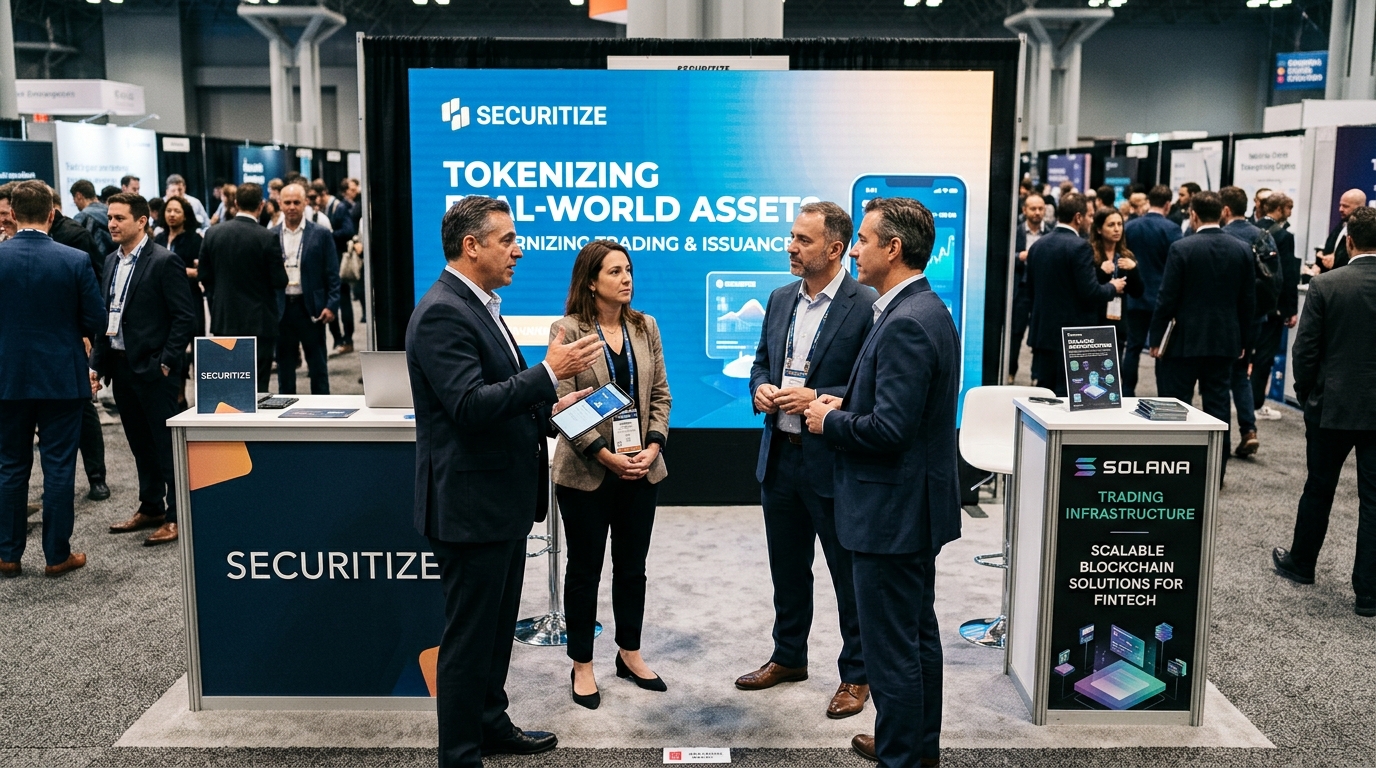
Institutional tokenization remained one of the clearest new developments in digital assets, with separate headlines pointing to expanding infrastructure rather than speculative trading alone. According to CNBC, tokenization platform Securitize rose 10% in postmarket trading after its third-quarter results and after outlining a move into asset-backed finance. In a separate report, Cointelegraph said Formation Securities plans a Solana-based stock trading venue under an SEC exemption.
Taken together, the two developments suggest the tokenization theme is continuing to move deeper into mainstream financial plumbing. That is notable because the strongest recent digital-asset stories have increasingly centered on utility, payments rails and regulated market structure rather than price action alone.
Securitize move highlights real-world asset focus
According to CNBC, Securitize’s postmarket gain followed both earnings and a strategic push into asset-backed finance. Even without additional financial details beyond the headline, the market reaction signals that investors are paying attention to tokenization models tied to identifiable underlying assets and revenue opportunities.
This matters because tokenization has long promised to connect blockchain rails with conventional securities and credit markets. A move into asset-backed finance implies a focus on instruments linked to real collateral and structured cash flows, which could make the business model more relevant to institutions than purely crypto-native products.
The headline alone does not establish the scale of the initiative, but it does fit a broader market pattern: platforms tied to regulated issuance, custody or distribution of real-world assets continue to attract more serious attention than projects driven mainly by retail sentiment.
Solana venue plan points to market-structure experimentation
Cointelegraph separately reported that Formation Securities plans a Solana stock trading venue under an SEC exemption. That is a distinct but related development. While Securitize’s news centers on asset origination and finance, the Formation headline speaks to secondary-market infrastructure and how tokenized securities might eventually trade.
If such venues advance under exemptions and within regulatory boundaries, they could help test whether blockchain-based systems can offer operational gains in issuance, transfer and settlement. The key point is not that tokenized trading has suddenly become mainstream, but that experimentation appears to be continuing through structures designed to fit within U.S. securities rules.
Regulation remains central here. The SEC exemption reference in the Cointelegraph report is important because institutional adoption typically depends less on technology alone than on legal clarity, compliance workflows and counterparty trust.
Why this matters for the broader crypto market
These stories stand out because they support a more durable crypto narrative than short-term token volatility. In recent cycles, institutional interest has often strengthened where digital assets intersect with:
- Regulated financial products rather than open-ended speculation.
- Operational efficiency in issuance, settlement and collateral management.
- Bank and capital-markets use cases that can be integrated into existing systems.
- Real-world assets with clearer valuation anchors.
That focus also helps explain why tokenization stories can remain important even during periods dominated by security breaches or exchange stress elsewhere in crypto. According to Cointelegraph, markets are also digesting fallout from the Binance hack, but the Securitize and Formation headlines point in a different direction: infrastructure buildout is still moving ahead.
What to watch next
The next questions are practical rather than ideological. Investors and market participants will want to see whether tokenization platforms can convert strategic announcements into measurable adoption, transaction volume and repeat institutional usage. They will also watch whether regulatory pathways remain open enough for pilot programs to expand.
For Solana specifically, a proposed stock-trading venue could also be viewed as a test of whether high-throughput public blockchain infrastructure can support more regulated capital-markets functions. For Securitize, the emphasis is likely to be on execution in asset-backed finance and whether that opens a larger addressable market.
Near-term outlook
The latest headlines from CNBC and Cointelegraph suggest tokenization remains one of the more credible growth areas in digital assets, especially where it intersects with regulated finance and real-world collateral. The neutral near-term outlook is that institutional crypto adoption will continue to be judged less by token prices and more by whether platforms can deliver compliant, scalable market infrastructure.
MarketPro reports are AI-assisted analyses of publicly reported market news. Not investment advice.