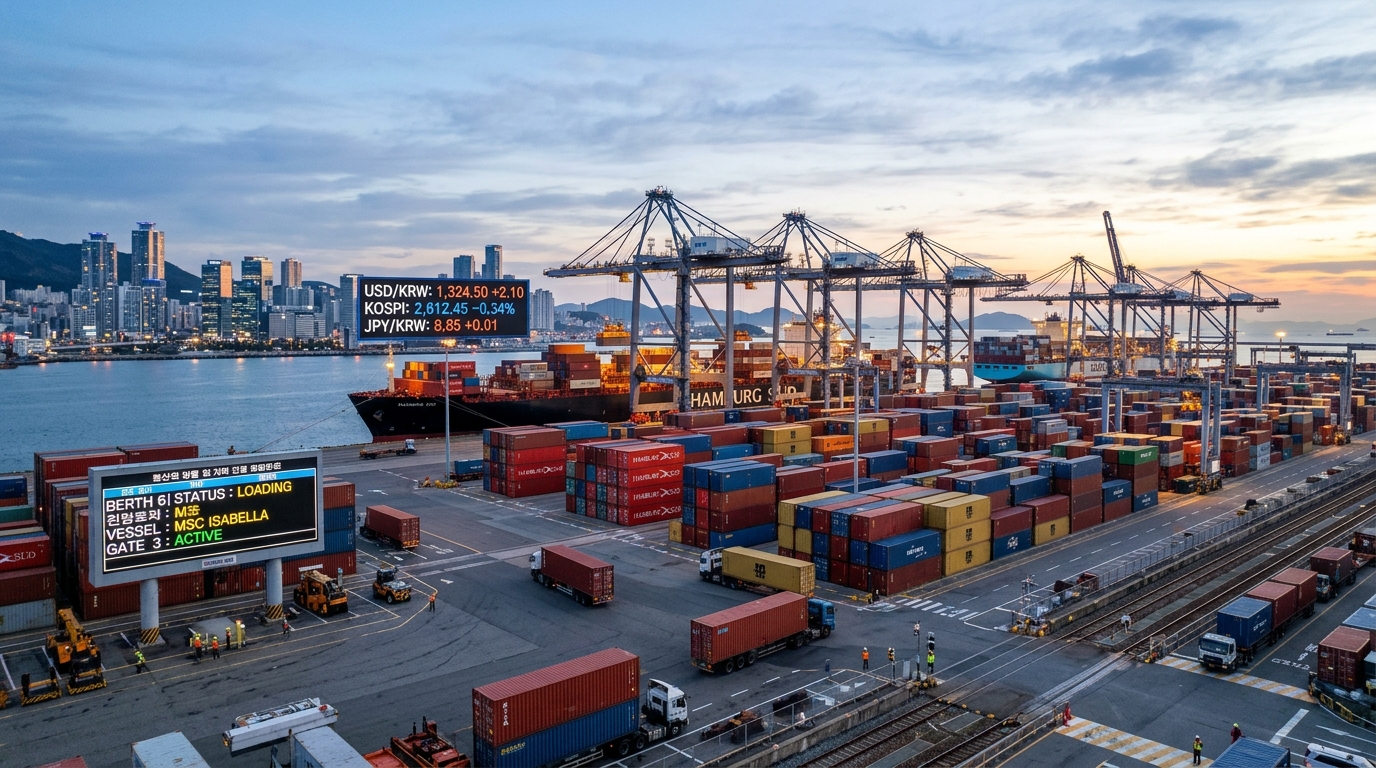
Qatar-Iran talks put FX and oil traders on Middle East watch
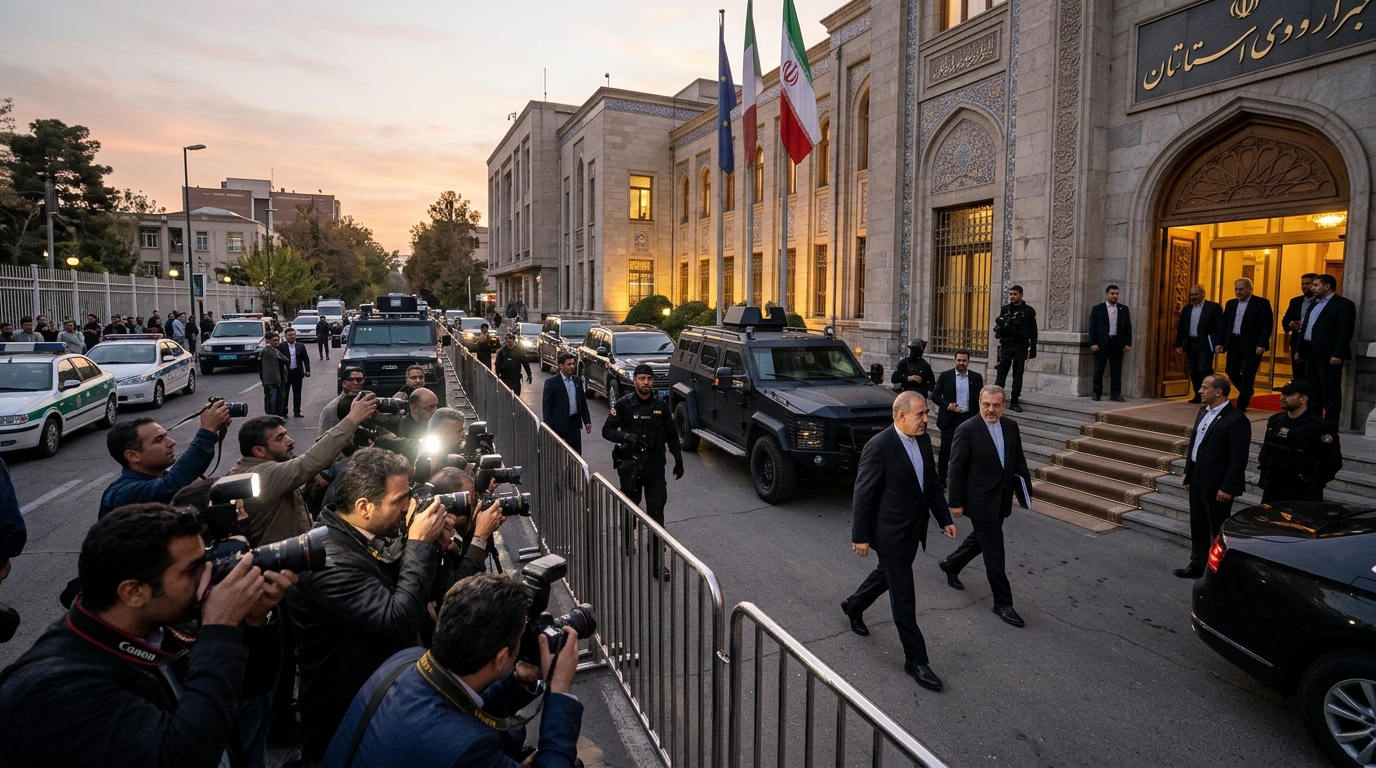
Currency and energy markets are getting a fresh geopolitical signal after CNBC reported that Qatari mediators held talks in Tehran aimed at restarting direct U.S.-Iran negotiations, citing a source. Investing.com separately reported that Iranian envoys met Qatari mediators as threats of possible U.S. strikes loomed after the midterms. While the two reports differ in framing, both point to the same market-relevant development: active mediation involving Tehran and Doha at a time of elevated regional tension.
For investors, this is less about diplomacy in isolation and more about transmission channels. Any shift in U.S.-Iran communication can affect oil risk premiums, shipping expectations, safe-haven demand and the path of currencies that are sensitive to energy prices and geopolitical stress.
Why FX markets care about Tehran talks
Foreign-exchange traders often react to Middle East developments through a familiar chain. If tensions rise, crude prices may gain a geopolitical premium, the U.S. dollar can benefit from safe-haven positioning, and energy-importing currencies can face added pressure. If tensions ease, some of those moves may reverse, particularly if traders judge that supply risks through the region are falling.
The significance of the latest reports lies in their timing. Markets have already been primed to watch the region closely because of concern around potential disruption and military escalation. New evidence of mediation introduces a competing scenario: not immediate resolution, but at least a diplomatic channel that could moderate worst-case pricing assumptions.
CNBC described the talks as an effort aimed at restarting direct U.S.-Iran negotiations. Investing.com, meanwhile, emphasized the backdrop of possible U.S. strikes after the midterms. Taken together, the reports suggest markets are balancing two-way risk: diplomacy on one side, escalation risk on the other.
The oil link keeps this a cross-asset story
This is also a forex story because it is an oil story. Regional tensions involving Iran can feed directly into crude benchmarks, tanker-risk assumptions and inflation expectations. Those moves then cascade into FX, especially for currencies linked to commodity exports, imports and global risk sentiment.
Another headline from Investing.com said OPEC+ is set to keep production targets unchanged in December, citing a source. That matters because if producers are not offsetting geopolitical uncertainty with a supply increase, the market may remain more sensitive to any diplomatic or military headline involving Iran.
In practical terms, an unchanged OPEC+ stance could leave oil pricing more exposed to regional news flow. That, in turn, can sharpen currency reactions in the dollar, petro-currencies and import-dependent economies.
What markets may watch next
At this stage, the headlines support caution rather than conclusion. There is no confirmed breakthrough, no public agreement and no verified policy shift from Washington or Tehran. Still, the existence of talks is itself market-relevant because it changes the information set traders use when pricing geopolitical risk.
- For FX: traders may watch whether the dollar strengthens on risk aversion or softens if diplomacy appears to gain traction.
- For oil: crude could remain sensitive to any follow-up on negotiations, threats or shipping security.
- For inflation-sensitive assets: fuel-price expectations can feed back into bond and equity positioning if energy risk rises again.
The broader importance is that geopolitics remains a live macro catalyst at a time when markets are already juggling growth, inflation and policy uncertainty. A diplomatic opening involving Iran may not produce an immediate market reversal, but it can change the probability traders assign to disruption scenarios.
A headline to track beyond diplomacy
Reader interest on MarketPro has recently favored market-wide stories with clear macro transmission channels. This development fits that pattern because it sits at the intersection of currencies, commodities and geopolitical risk. It also offers a cleaner cross-asset setup than narrower political stories: if mediation progresses, markets may trim some defensive positioning; if tensions intensify, the reverse could happen quickly.
According to CNBC and Investing.com, the key fact is that Qatari-mediated contact with Tehran is active. For markets, that is enough to keep both oil and FX traders on alert, even without a formal diplomatic outcome.
Neutral outlook: The talks create a possible off-ramp from escalation, but until there is clearer confirmation of progress, currencies and oil are likely to remain sensitive to each new headline.
MarketPro reports are AI-assisted analyses of publicly reported market news. Not investment advice.